
How can humanity live in deeper harmony with the rest of nature, so that human societies and the wider tree of life can flourish together?
Dear friends,
Central to our initiatives to restore our broken relationship with the rest of nature must be our capacity to honour those who are indigenous to the places we inhabit.
What does it mean to be ‘indigenous’ to a place?
In her TEDx talk, Indigenous Canadian author and activist Jeanette Armstrong shares that being indigenous to a place (indigeneity) is the quality of being well-adapted to that place.
When a people are indigenous to a place, it means that they have learnt to live harmoniously and interdependently with all the other creatures and features of that particular locale.
In other words, being indigenous to a place means to be well-integrated into that place— intimately and completely woven into the ecological fabric of that place’s bio-geography.
It is critical to support our local indigenous peoples.
It takes generations for a people to become truly indigenous to a place. Yet, these people are present today, in our respective regions, all over the world.
In our struggle to slow and reverse ecological collapse and climate cascade, we need to rely more than ever on the wisdom, cultural know-how and intimate place-based knowledge of indigenous peoples.
Indigenous in SG
Here in Singapore, where I am based, the indigenous Orang Laut and Ubin Orang Pulau have been spreading awareness of their culture and ecological wisdom amongst Singaporeans.
I have been privileged to attend a few of their events myself.
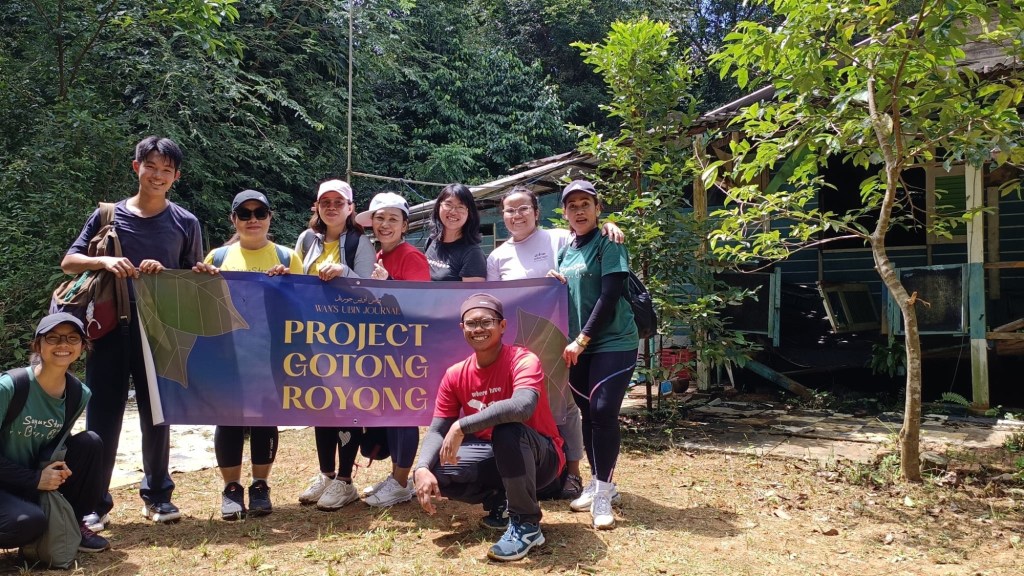
Every time I interact with our local indigenous peoples, I am struck by how different they are from the typical Singaporean city-dweller.
Their ecological knowledge is grounded in facts, but is not strictly scientific. In the heart of an indigenous person of Singapore, the ecology of their home grounds are very much entangled with religion, animism, folktale, food, medicine, culture and community.
It is an integrated ecology: an ecology that is a quintessential part of every aspect of their lives.
This is why it can be utterly traumatic for an indigenous person to lose the land (or sea) they live with. To remove indigenous peoples from their home environment is to strip them of their world, and ultimately, themselves.
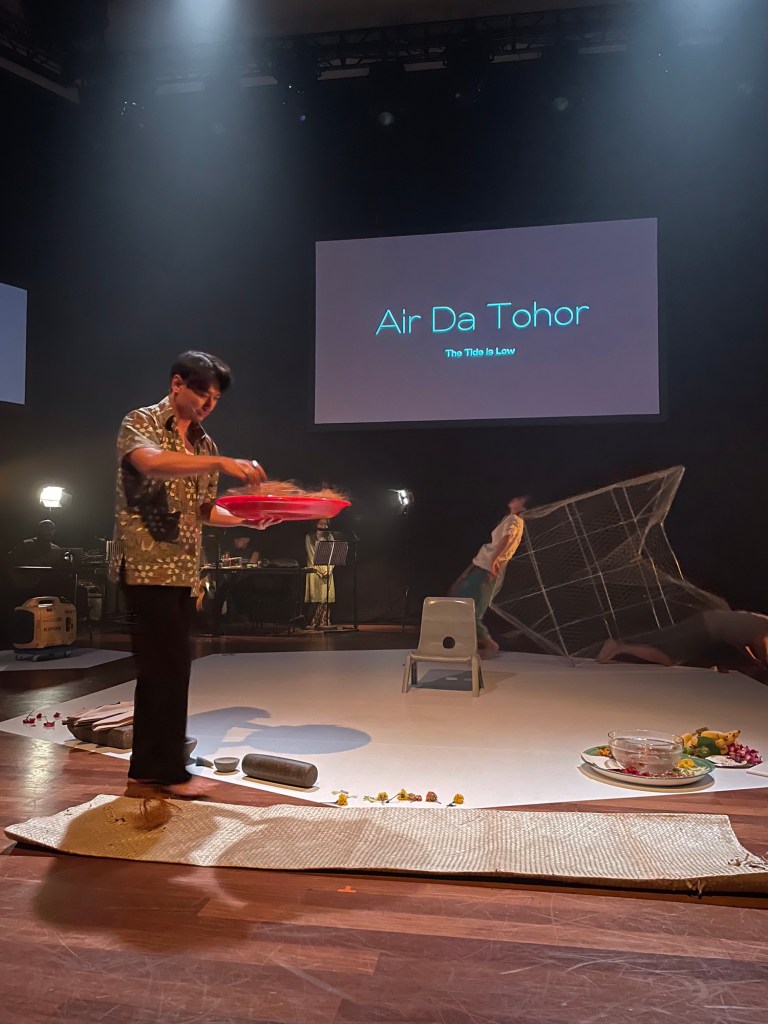
Shortly after one of the events I attended by Orang Laut SG (it was Air Da Tohor at The Esplanade), I composed the following haiku to crystallise the sense of utter identity loss (I felt) that the Orang Laut experienced when they were evicted from their island homes.
when we lost our land
we lost ourselves— who are we
without our homes?
Friends,
That’s all I have for this week’s edition of Eco.musings.
Feel free to reach out to me on Instagram at vital.ecology if you’d like to share any comments, feedback or questions with me. I’d be happy to get in touch.
Until next time,
May you be well.
May you be at peace.
May you know joy.
& May you have the fullness of love.
With warmth,
Julian
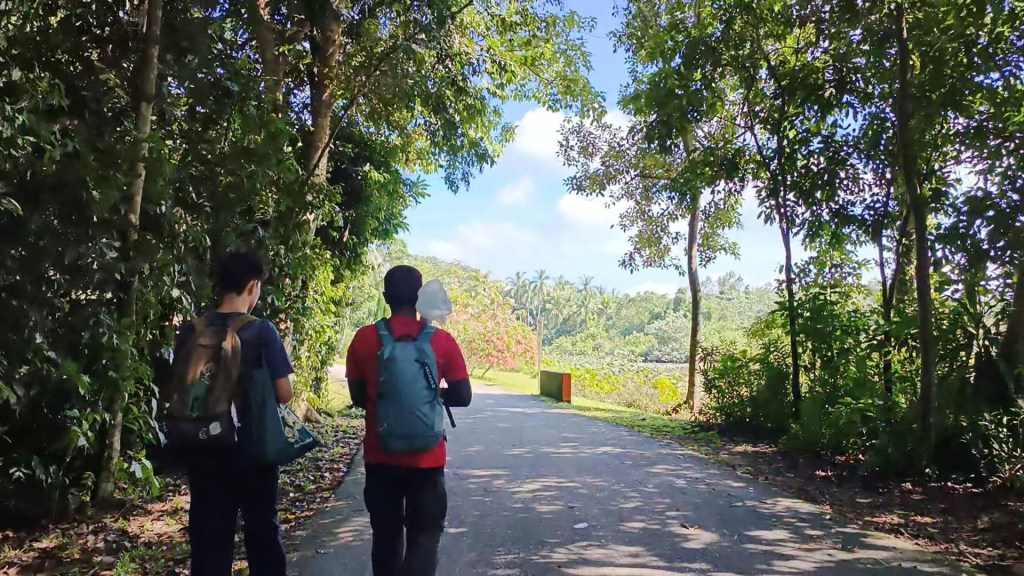
(Cover photo by MW of SayurStory. Thanks MW!)
 Julian JP Lee
Leave a comment